Refers to the Apparent ââåfeelã¢ââ of an Art Form
Dwelling » Applied Information » Indonesian Customs and Culture
Indonesian Craft
One of the many pleasures of living in Republic of indonesia is having the opportunity to larn nearly and collect Indonesian 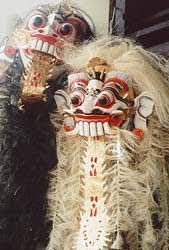 arts and handicrafts. The diversity evident in Indonesia's 300 plus ethnic groups is reflected in the diversity of its fine art forms. Just as every ethnic grouping throughout the archipelago has its ain language/dialect, cuisine, traditional dress and traditional homes and they have too developed their ain textiles, ornaments, carvings and items for daily use and special celebrations. The rich cultural heritage of fine art and handicrafts is i of Indonesia'due south true national riches.
Indonesian art forms can include designs traced back to early animistic behavior, ancestor worship, Hindu or Buddhist influenced motifs brought by Indian traders, Chinese or Islamic symbols and behavior. Strange influence on Indonesian fine art forms was brought near past centuries of exposure to other cultures through merchandise. Immigrants from China, India, the Arab globe and later Europe traveled to the archipelago in search of the unique spices grown in Republic of indonesia. These traders settled and brought with them rich artistic traditions which influenced the evolution of local art.
 Today nosotros can encounter highly developed fine art forms wherever these artisans had patrons in centuries past. One of the places where this is perhaps most evident is in Yogyakarta where the Sultan's family has supported batik, argent, wayang and other artisans for generations. With this patronage the art forms flourished, resulting in a rich variety of art forms today.
The rich artistic traditions of Bali, where traditionally each person must develop skills in a item fine art class - be it dance, music, or visual arts has atomic number 82 to the creation of a vibrant artistic customs. Foreign artists have been drawn to Bali for centuries due to this unique cultural synergy.
Handicrafts too developed from the usage of every mean solar day household items which were decorated and used for ceremonial purposes. Witness the wide diversity of uses of natural woods, fibers, bamboo, rattan and grasses. Natural and chemic dyes, beads and other natural ornamentation are used to decorate these items, many of which have developed over time into distinctive art forms.
Many expats have advantage of the opportunity of living in Indonesia to learn more about its culture, or to begin a  collection of art objects or handicrafts that they enjoy. Nosotros go through early on days of explorations, through the thrills of discovery and learning, to hunting downward item items you want and acquiring true finds.
Often expats are able to learn things in Republic of indonesia that they wouldn't have been able to afford at home where import duties and retail mark-ups make the prices skyrocket. In addition, the purchase of various handicrafts is often associated with special memories ... wonderful memories of vacations, the tukang and the fun of searching for the right slice.
With the rupiah substitution rate so favorable against nigh foreign currencies - great bargains are to exist establish in Indonesia! Visit either Sarinah Jaya or Pasaraya in Jakarta for a skillful introduction to Indonesian handicrafts, though don't expect to find true antiques in that location. Then you'll know improve what you lot may desire to buy on your travels through the archipelago.
 If you develop a love for a particular particular, seek out others who share your new hobby/collecting and learn the history of the items together. Expats who fall in love with a particular art form may even plan their travel through the archipelago around their special interest, tracking down and viewing the making of the items in their places of origin.
Ane of the well-nigh popular organizations in Jakarta for those who are interested in learning more than about Indonesian culture is the Indonesian Heritage Society. Amateurs become experts through research using their extensive library and participation in study groups. Study groups are formed dependent on the involvement of the members and in recent years take included: textiles, ceramics, wayang, batik and others.
Museums in Jakarta and in other major cities display priceless artifacts from Republic of indonesia's vibrant history. Join a tour at the National Museum, visit the Textile or Keris museum and y'all will quickly discover the rich cultural heritage of Indonesian art. While at the Museum Nasional, option up a copy of the National Museum Guidebook, published by the Indonesian Heritage Society for an excellent introduction to the collection.
Provincial specialties
A few months afterwards beginning your exploration of the various Indonesian art forms, certain provinces will soon take on character all their own through the art forms you association with them ... Javanese batik, Balinese carvings, Borneo infant bak, Malukan pearls, Bugis silk sarong, Lombok pottery, Dayak blow guns, Sumba ikat and more. Your travels throughout Indonesia will be enriched by your exposure to the development of unlike art forms in each province.
Symbolism
Indonesian fine art forms are rich in symbolism. The mythical naga or dragon; the mamuli pendant - symbol of fertility from Sumba, the tree of life, the mythological creature Garuda (as well a national symbol constitute on the Panca Sila symbol), all take special meanings in Indonesian traditions, myths and beliefs. Exploring the origins of these designs and what they mean is fascinating.
The war between adept and evil, ancient stories of honey and warfare, nature and the heavens - all have special meanings to Indonesians throughout the archipelago. Gods, demons and knights abound in Balinese carvings and in other areas where Hindu influence predominated at some point in history. Plants, animals (mythological and existent) and geometric forms are likewise widely used and represent specific meanings in particular art forms.
Motifs fatigued from nature - leaves, flowers, mountains, water, clouds, animals often represent religious or mystical symbols related to early forms of animism, and then later to Hinduism. Islamic prohibitions against showing the human figure or other living creatures stagnated the development of many art forms in areas where Islam was strong.
Certain motifs were favored and fifty-fifty restricted to the royal families, especially in batik designs for the Surakarta and Yogyakarta regal families (one of which is called the broken keris). These symbols depicted simple, natural  objects that were of import to the lives of Javanese, such as the leaves of the aren palm or the fruit from the kapok tree. Traditional colors of navy blue, cream, chocolate-brown and black used in batik have given way to a myriad of colors utilizing modern imported dyes.
Handicrafts and fine art objects range from every day items which are unique to Indonesia, to ane-of-a-kind collector's items, with a very wide range in between. What you will buy and/or collect depends of grade on what yous similar. To introduce you briefly to the wide range of items bachelor we've covered some of the more than pop below:
Textiles
The diverseness in Indonesian textile forms is astounding and is still another representation of its rich cultural  heritage. Indonesian textiles include hand drawn and stamped batik, the design of which takes months to create; double weave ikat from the islands of Nusa Tenggara, ship fabric from Lampung, silk Bugis sarong from Sulawesi, gold-painted Balinese prada fabric; shimmering kain songket from Palembang utilizing silver and gilt metallic threads weft in woven cotton wool or silk ikat; and Tapis weavings from Lampung.
Weavings from the 27 provinces utilize unlike materials, methods, colors and designs. Primarily formed on back looms, weeks or months are spent creating intricate designs for everyday apply or ceremonial wear. These weavings are primarily known past the different techniques that are used to create the distinctive designs.
The symbolism of the diverse ethnic groups is evident in the diverseness of textiles. Color, shapes and their arrangements all have special meanings. Certain designs can only exist worn by women or men, or only by the  members of the royal family unit or nobility.
Special textiles are worn or exchanged in life bike or rights of passage ceremonies celebrating birth, circumcision, puberty, matrimony, childbearing and death. Textiles play an of import role in many traditional events and ceremonies.
Written records dating to the fourteenth century certificate the importance of textiles in the social and religious lives of Indonesians. The highly distinctive traditional clothes, or pakaian adat, best shows the diversity of uses of textiles throughout the archipelago. The fifty-fifty more than elaborate conjugal wearing apparel displays the best of each province's cloth and ornamental jewelry traditions.
Wayang -- Puppets
Puppets have been used for centuries in Indonesia to tell the stories of the ancient epics, the Ramayana and the  Mahabarata, as well as ancient myths. Modernistic stories besides utilize this aboriginal art class for contemporary audiences.
Puppets autumn into two major classifications - wayang kulit - the leather or shadow puppet of Central Coffee, and wayang golek - wooden puppets of Westward Java. There are several varieties of wooden puppets. Some expats enjoy collecting the aforementioned grapheme by various artisans, or all the characters in a scene or story, or just characters that strike their fancy. Practiced guys, bad guys, gods, demons, nobles, giants, clowns, princes and princesses and monkeys ... all can be found in traditional puppet forms.
Less commonly seen are the Wayang Klitik, a apartment wooden boob. Links to sites with information on wayang
Traditional Toys and Games
The congklak, or dakon board game was brought to Republic of indonesia past Indian or Arab traders centuries agone. Fabricated  from plastic or woods, or highly carved by court artisans, this game has been played in Indonesia for centuries. Examples of early congklak board tin be found in the National Museum.
Traditional toys tin be found throughout the archipelago and forays into the provinces volition undoubtedly plough up many elementary toys made by villagers for their children. These can be purchased at local pasar, roadside stands or about popular tourist destinations.
Ceramics
Ceramics made their way to Republic of indonesia over centuries of merchandise with Cathay dating back to 205 BC. Ceramic items range from everyday common vessels and plates, to fine ceramic pieces that became heirlooms passed downwards from generation to generation.
Modern reproductions of these antiques abound ... so take the time to learn the difference between a genuine antique and a modern reproduction. The Ceramic Museum in Jakarta, ceramic study groups at the Indonesian Heritage Society and a wealth of books on Ceramics will help innovate you to this fascinating ancient fine art grade.
More affordable, and withal just as cute is jewelry made from antiquarian ceramic shards discovered in port cities throughout the archipelago. While formerly these cleaved dishes served equally ballast in ships from China, modern artisans have turned these broken ceramic pieces into beautiful jewelry and other useful items.
Contemporary ceramic design can be found in a wide range of useful household items. Lombok pottery in item is pop with expats. The intricate terra-cotta pottery fabricated in the village of Kasongan well-nigh Yogyakarta is too a favorite of many.
Natural fibers and materials
A wide range of items, both useful and decorative are made from natural fibers such as pandanus, rattan, bamboo and grasses. Rice spoons, bowls, containers, woven mats, baskets, lamp shades, boxes, natural paper products and a multitude of other items are made from natural fibers in Indonesia.
Bamboo, while exotic in the westward, is one of the virtually applied natural plants. The uses of bamboo in Indonesia are  numerous and Indonesians utilize bamboo extensively for a diversity of items including baskets, winnows, cups, buckets, furniture and woven walls in traditional homes. The fine strands used for fans, purses, numberless, hats, baskets and other items. Larger, thick strips are used for flower baskets, walls and other items. While bamboo was originally used for practical items effectually the firm, these have been further adult into new items which sell well every bit souvenirs.
Bone, rubber, kokosnoot trounce, fibers, horn and other natural materials are used in many folk handicrafts from accident pipes, figurines, bags, storage items, painted umbrellas, and even ships made entirely from cloves.
Shells
Shells are used by Indonesian artisans to create a wide diversity of useful items, wind chimes and jewelry. The waters surrounding the over 17,000 islands in the Indonesian archipelago take given along an affluence of aquatic splendor. Exotic shells can be purchased for small sums of money. Even so, be cautious in your purchases as many species are over-harvested and their extinction is simply a matter of time. In detail, avoid purchasing the Nautilus and giant clam, protected species which are already endangered.
Jewelry
1 of the richest art forms in Indonesia reflects the Indonesian woman's desire to ornament her traditional dress, which wouldn't be consummate without various items of traditional jewelry. Ornamentation used with traditional dress is rich in symbolism and design. From modernistic designs in 22 karat gold, to intricate filigree silverish jewelry from Yogyakarta, using precious and semi-precious stones, or modernistic plastic, wood or ceramic ... there are many designs, materials and price ranges to cull from. Many expats indulge their beloved of a particular blazon of jewelry ... buying opals or silver jewelry until they've built up quite impressive collections.
Antique jewelry (both authentic and reproductions) is a favorite of expats. Antique trade beads, or their reproductions, are very popular.
Mabe pearls are a favorite with expats in Djakarta. Y'all tin purchase the loose pearls and have them set in your own gold or silver design at your favorite jewelers. Pearl farms harvest huge quantities of mabe and fresh water pearls in Lampung, Maluku and Sulawesi.
A trip to the jewel markets of Jakarta or Borneo is a fun run a risk and provides an introduction to the variety of gemstones available in Republic of indonesia. These include diamonds, South Sea pearls, opal, sapphire, amethyst and banded agates. Beware that many stones are actually manufactured ... what is termed masakan in Indonesia. The karat content of gilded can ofttimes misrepresented and gemstones could exist false. Depend on a trusted jeweler or shop with knowledgeable friends.
Antique Article of furniture
Beautiful Dutch colonial and other antique piece of furniture from the 18th and 19th centuries is popular with expats, 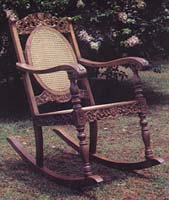 including Balinese opium beds, rice storage units, erstwhile cupboards, Javanese carved wall panels, doors and unique tables. These pieces may need restoration or may have already exist refinished or reconditioned by the shops.
Many shops cater to the expats beloved of antiques and sell authentic antiques or reproductions. Widely available too are new designs of furniture, utilizing one-time wood. The advantage of quondam wood is that it is less likely to split when you bring information technology back to a dry climate, equally the wood has been seasoned for decades. Much 'antique' article of furniture bachelor is actually new article of furniture that has been left in the dominicus and rain for months to . age. the furniture. Be careful to purchase from a trustworthy dealer if you lot desire to be sure you are getting authentic antiques.
Forest Carvings
 Wooden carving traditions and skills can be plant throughout the Indonesian archipelago, with the most famous being from Bali, Central Java, Madura, Sumatra and Papua. Dissimilar areas adult very dissimilar traditions so that many items are immediately identifiable as being created by detail indigenous groups. Most popular with expats are Javanese and Balinese wooden image carvings, Jepara lattice-similar three-dimensional reliefs and Irianese primitive carvings.
Even amongst wooden carvings from a particular province, differences in pattern, fashion and subject matter are hands evidenced after some study. Irianese tribes such as the Asmat, Dani, and Komoro have very distinctive styles of carvings of totem poles, weapons, figures and utensils.
Whimsical, brightly colored modern carvings are produced primarily in Bali. And the popularity of these pieces has 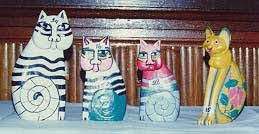 influenced the wooden carving traditions of other regions as well.
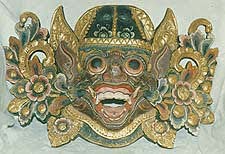
Used in prehistoric times in burials, the employ of ancient spirit masks have given mode to masks used in many traditional dances. These highly stylized masks, topeng, depict the various characters in the story told by the trip the light fantastic. Masks enable the performers to assume new identities and depict a variety of characters from demons to animals, princes or gods. Amongst the most famous masks used in dance are the Rangda and Barong masks from Bali. In this traditional trip the light fantastic toe, performed often for tourists, the interaction of Rangda, representing evil, and the Barong, representing good, restores the harmony between the practiced and evil in life.
While masks for sale in stores are primarily from Central Java and Bali, masks from other ethnic groups were used widely in the by to communicate with ancestors, for blessings for harvests, protection from evil spirits, to learn new personalities or cracking powers.
 Fragrant sandalwood from the Nusa Tenggara is bachelor in carvings, medicine, incense, cosmetics, prayer beads and useful items such equally pens and fans. It is usually stored in a special glass chiffonier in stores and a stroll past the cabinet will quickly acquaint you with the exotic fragrance of this special wood.
Woods used in carving include ebony, teak, mahogany, ironwood, sandalwood and other lesser known ethnic wood. The toll may oft be related to the blazon of wood used, as harder woods are more hard to carve. Since many are concerned by the cut of tropical hard woods forests, many forest items are made from teak trees which are cultivated on plantations. Look for the labeling designated the detail as utilizing plantation-grown teak.
Stone Carvings
Volcanic rock are carved to create statues depicting characters from aboriginal Indonesian myths and epics. These  are predominantly found in Yogyakarta and Bali where stone carving traditions date back over 900 years and were highly adult during the construction of major temples in these areas.
Bangka Tin
Pewter items are made with tin from the island of Bangka. Favorites with expats are the angels in varying sizes, candlesticks, pic frames, and Christmas tree ornaments. Engravings of Bangka tin items are often presented by various expat groups to their members in recognition of various achievements.
Shops specializing in Bangka pewter items can exist found in Jakarta on Jl. Paletahan. These shops offering significant discounts. Displays of Bangka tin items can also exist found in the major arts and handicrafts centers in Jakarta and in other popular tourist destinations.
Paintings
 Painting as an art form was really adult in the 19th and 20th century and includes batik paintings, the highly stylized paintings of Bali which depict village and traditional life also every bit modern oils and acrylics. Famous Indonesian painters such as Raden Saleh, command high prices on the international market and at auctions in Singapore and Djakarta.
Musical Instruments
Along with the other arts forms that developed in corking diversity across the archipelago, cultural variety besides atomic number 82 to the evolution of unlike musical traditions, thus different instruments. Angklung from West Java, Gamelan from Yogyakarta or Bali, flutes and gongs from W Java are favorite collectibles of expats. Gamelan links and Expat Community group in Jakarta where you lot tin learn Gamelan
Calligraphy
While not-Islamic art forms abound due to the rich Buddhist/Hindu traditions dating dorsum for centuries, Islamic calligraphy has developed in various art forms equally well. These include embroidery, wood carvings, ceramics, paintings, and the beautiful gold embroidered Tapis fabric of Lampung.

Weapons
The ancient Keris is a favorite of expats, also every bit os accident pipes from Kalimantan, swords and daggers. Bowsand arrows and spears from Papua are also popular.
Batik copper stamps
Used in the cap production of batik, these copper stamps are collected by expats. Special designs can be made at the Cap Human in Jakarta where cap are worked into drawers and furniture as well as lazy susans, coasters or trivets.
Whatever your tastes and pleasures, y'all volition shortly enjoy the exploration of the various Indonesian art forms and savor collecting a few for yourself.
Mini glossary
kerajinan: handicrafts
kesenian: art
kenang-kenangan: something to remember your travels by
cinderamata: souvenir
oleh-oleh: something y'all bring back from your travels as a gift for family unit or friends.
Other articles on Arts and Handicrafts
- It's a Ming Thing
- Batik
- The Cap Man - Cap in Manus!
- Property that thread of idea: an introduction to Indonesian textiles and their traditional uses
- Pearls of Wisdom - shopping for pearl jewelry
Source: https://www.expat.or.id/info/artshandicrafts-indonesia.html
0 Response to "Refers to the Apparent ââåfeelã¢ââ of an Art Form"
Post a Comment